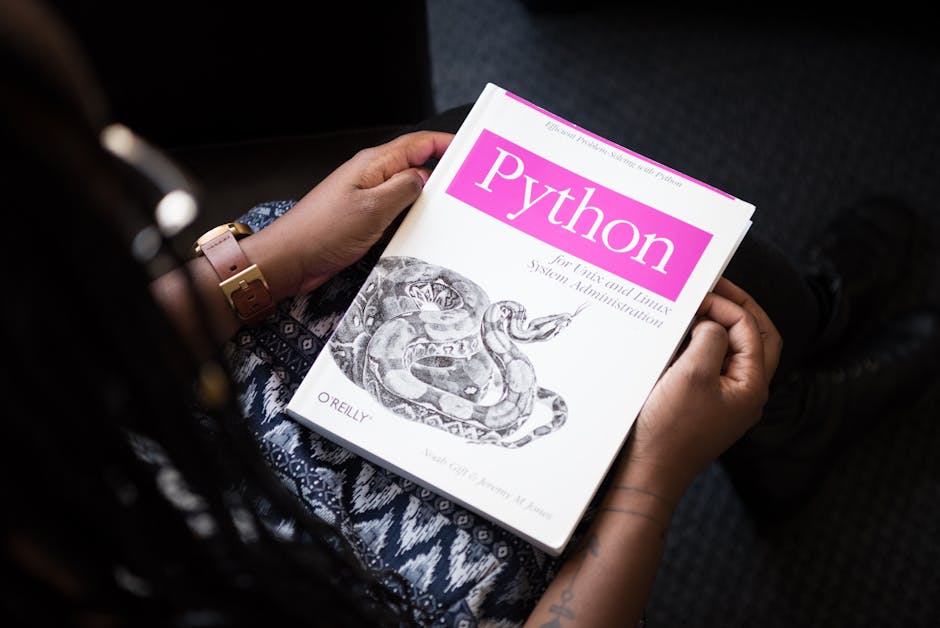
Building Singapore's Next Generation of Python Developers
We bridge the gap between academic theory and industry practice through hands-on Python training that prepares students for real development careers.
Back to HomeFrom Code Enthusiasts to Education Leaders
pymastostea emerged in 2019 from a conversation between three senior developers working in Singapore's tech scene. We noticed a persistent pattern during hiring: talented individuals with computer science degrees or bootcamp certificates who lacked practical skills needed for production environments. They could write algorithms but struggled with version control. They understood frameworks conceptually but had never deployed an application. The disconnect between education and industry expectations was glaring.
Rather than complain about the talent pipeline, we decided to build one ourselves. We started with weekend workshops in a shared office space, teaching Python fundamentals the way we wished we had learned them: through building actual applications, making real mistakes, and understanding the development workflow from local environment to production deployment. Those first cohorts of fifteen students became our proof of concept. Many transitioned into junior developer roles within six months, armed with GitHub repositories full of projects they could confidently discuss in interviews.
By 2021, demand outgrew our weekend hobby. We formalized the curriculum, secured our Somerset Road location, and brought on instructors who shared our philosophy: teach programming as craftspeople teach their trade, through apprenticeship and practical application rather than abstract theory. Our courses evolved to reflect the actual technology stack Singapore companies were hiring for. When Django usage increased among local startups, we expanded our web development curriculum. When data science roles proliferated, we developed our machine learning program with input from hiring managers at analytics firms.
Today, pymastostea serves over 500 students annually across three core programs. Our instructors include senior engineers from e-commerce platforms, fintech companies, and AI startups who bring current industry practices directly into the classroom. We measure our success not in enrollment numbers but in career transitions: the operations manager who became a backend developer, the marketing analyst who moved into data science, the restaurant manager who now builds web applications. Each represents someone who invested in learning Python the right way and saw tangible career results.
Our mission remains unchanged from those early workshops: provide accessible, practical Python education that prepares students for actual development work. We maintain small class sizes to ensure personalized attention. We structure courses around building portfolio projects that demonstrate capability to employers. We teach the tools and workflows that professional developers use daily, not just the syntax that passes academic tests. Python is our medium, but our true focus is helping people build careers in technology through comprehensive skill development and dedicated instruction.
Our Approach to Python Education
Industry-Current Curriculum
Our course content reflects current industry practices, not outdated academic frameworks. We review and update curriculum quarterly based on feedback from Singapore tech companies about the skills they actually need. When Python 3.12 introduced new features, we incorporated them within weeks. When type hints became standard practice in professional codebases, we integrated them throughout our teaching examples. Students learn the Python that working developers write today, not the Python from textbooks published years ago.
Project-Based Learning
Every course centers on building complete applications from scratch. In Foundations, students create a task management system with database persistence. In Web Development, they build and deploy a functioning e-commerce platform. In Data Science, they develop a recommendation engine with real datasets. These aren't toy examples but substantial projects requiring problem-solving, debugging, and iterative development. Students finish courses with a portfolio of work they can demonstrate to employers, complete with documentation and deployment instructions.
Small Class Sizes
We cap enrollment at twenty students per cohort, ensuring each person receives individual attention. Instructors review every student's code, providing detailed feedback on not just functionality but style, efficiency, and maintainability. During lab sessions, you're not competing for help in a room of fifty people. You have access to experienced developers who can explain concepts multiple ways until they click. This personalized approach costs more to deliver but produces significantly better learning outcomes than massive online courses or overcrowded classrooms.
Professional Development Environment
From day one, students work with the same tools professional developers use: Git for version control, VS Code as their editor, virtual environments for dependency management, pytest for testing, and proper debugging tools. We don't use simplified educational platforms that create bad habits. You learn to read error messages, interpret stack traces, and solve problems the way you'll need to in actual development work. This means a steeper initial learning curve but far better preparation for real-world programming.
Code Review Process
Every significant assignment undergoes thorough code review by instructors, mirroring professional development workflows. We examine not just whether code works but how it's structured, whether it follows Python conventions, if variable names are meaningful, and if the logic is clear. Students receive detailed feedback through pull request comments, learning to write code that other developers can understand and maintain. This review process teaches the collaborative aspects of programming that matter tremendously in professional environments but often get ignored in traditional education.
Career Support Network
Learning Python is one thing; landing a development job is another. We provide resume reviews from a technical hiring perspective, conduct mock technical interviews that replicate actual screening processes, and connect students with our network of Singapore tech companies. Our instructors maintain relationships with hiring managers who value our graduates' practical training. While we can't place anyone in jobs, we significantly improve students' ability to present their skills effectively and navigate the technical hiring process with confidence and realistic expectations.
What Drives Our Python Training Philosophy
Practical Application Over Theoretical Perfection
We prioritize teaching Python skills that translate directly to professional work. While computer science fundamentals matter, we focus more on building working applications than proving algorithmic complexity. Students learn database design through building actual backends, not just studying normalization theory. They understand web frameworks by deploying real services, not memorizing design patterns. This pragmatic approach produces developers who can contribute to teams immediately rather than requiring months of additional training after course completion.
Transparent About Limitations and Expectations
We're honest about what our courses can and cannot deliver. Twelve weeks of Python training won't make you a senior engineer. It won't teach you every framework or library. It won't substitute for years of professional experience. What it will do is provide a solid foundation in Python development, a portfolio of projects demonstrating your capabilities, and preparation for entry-level or junior positions. We set realistic expectations about the job market, typical salaries, and the continued learning required in technology careers. This honesty helps students make informed decisions about their investment in education.
Continuous Improvement Through Feedback
We regularly survey students during and after courses about what works and what doesn't. When multiple students struggle with a particular concept, we revise how we teach it. When employers tell us graduates are missing specific skills, we adjust curriculum. Our course structure has evolved significantly since we started based on hundreds of data points from students, instructors, and hiring partners. We don't assume we've perfected education; we continuously refine our approach based on real outcomes and feedback from people who matter: our students and the companies that hire them.
Inclusive and Accessible Learning Environment
Python development careers should be available to anyone willing to put in the effort, regardless of their background. We've taught successful developers who previously worked in hospitality, finance, healthcare, and education. Age doesn't matter; we've had students from early twenties to mid-fifties succeed in our programs. What matters is willingness to learn, ability to handle frustration when code doesn't work, and commitment to completing assignments. We design courses assuming no prior programming knowledge for Foundations, though curiosity about technology certainly helps. Our goal is removing barriers that prevent capable people from entering development careers.
Emphasis on Sustainable Learning Practices
We teach students how to continue learning independently after courses end. Technology evolves constantly; frameworks get updated, new libraries emerge, and best practices shift. Rather than pretending we can teach everything relevant, we focus on developing problem-solving skills, teaching how to read documentation effectively, and building confidence in tackling unfamiliar challenges. Students learn to use Stack Overflow intelligently, read GitHub issues, follow Python Enhancement Proposals, and evaluate new tools critically. These meta-skills for continuous learning prove more valuable long-term than memorizing specific syntax or functions.
Ready to Start Your Python Journey?
Discover how our practical approach to Python education can help you build the skills Singapore's tech industry needs.
Get Started Today